
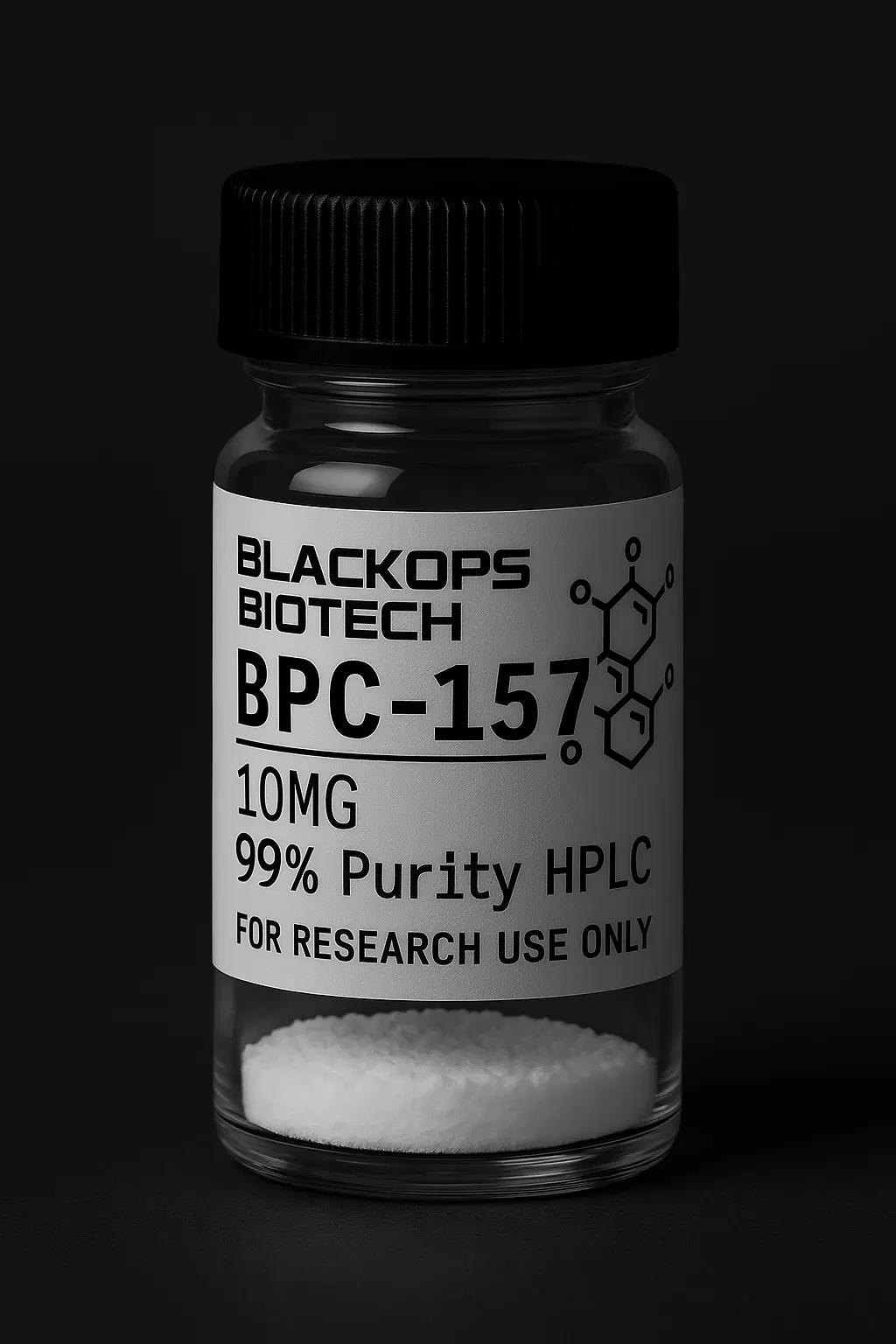
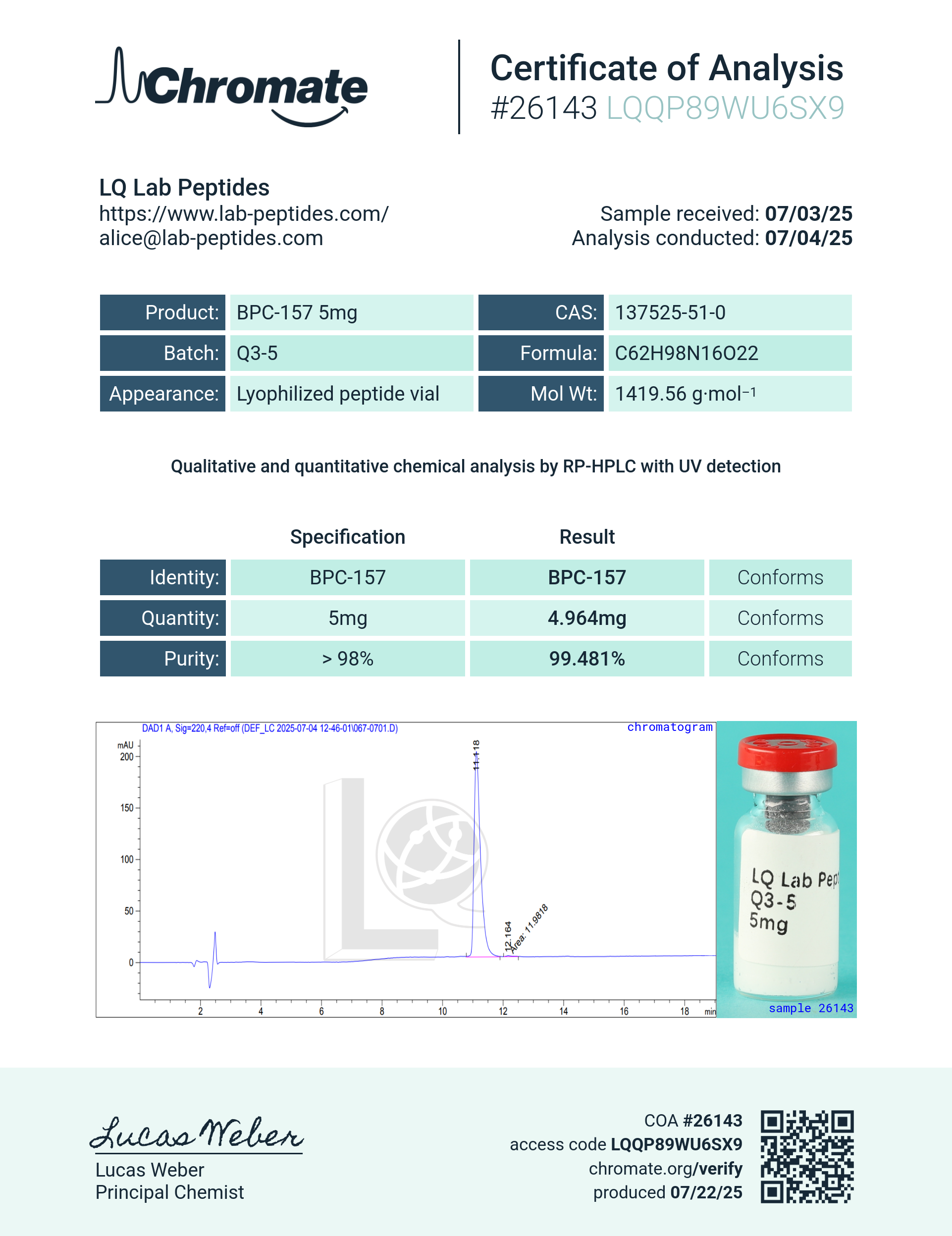
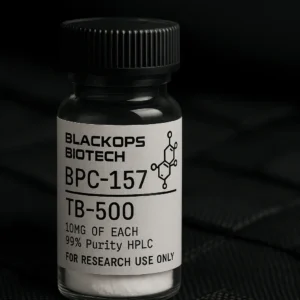
BPC-157 10MG
$60.00
Codename: Regen
Mission Type: Tissue Repair / Recovery
Mission Overview:
BPC-157 is a repair operative engineered for rapid recovery. Known as the Wolverine Protocol, it supports healing of muscles, tendons, ligaments, and the gut, making it a cornerstone for operators under heavy training loads or recovering from injury.
Tactical Advantages
- Accelerated Tissue Repair: Speeds healing of soft tissue, tendons, and ligaments.
- Gut Support: Promotes gastrointestinal protection and recovery.
- Anti-Inflammatory Action: Reduces systemic inflammation under stress.
- Recovery Multiplier: Shortens downtime between missions (training sessions).
Intel Report
- Highly researched for wound healing and gut protection.
- Works by enhancing angiogenesis (blood vessel formation) and cellular communication.
- Tactical interest in sports medicine, injury recovery, and gut resilience.
Arsenal Deployment
- Pair with TB-500 for a dual strike on systemic recovery.
- Deploy during injury repair protocols or high-volume training blocks.
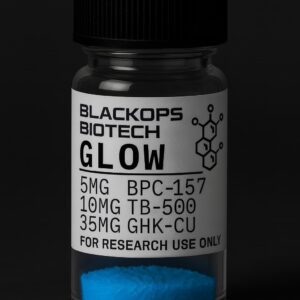
- Stack with Glow Blend for cosmetic / recovery synergy.
For Research Use Only. Not for Human Consumption.
Description
Body Protection Compound | Research Peptide | For Laboratory Use Only
Overview
BPC-157 is a synthetic peptide derived from a naturally occurring protective protein isolated in the gastrointestinal tract. It is widely studied for its potential role in tissue repair, inflammation modulation, and cellular regeneration. Researchers value BPC-157 for its strong stability profile, collagen-supportive properties, and interest in tendon, ligament, muscle, and gut-related studies.
This 10mg vial provides a high-purity, research-grade formulation suitable for advanced scientific exploration.
Key Research Points
Tissue Repair & Regeneration
BPC-157 is often used in studies evaluating:
- Tendon and ligament recovery models
- Muscle repair and soft-tissue healing
- Collagen synthesis pathways
- Improved cellular signaling for regeneration
Inflammation & Gut Integrity
Research teams also study BPC-157 for potential roles in:
- Modulating inflammatory markers
- Supporting gastrointestinal lining
- Angiogenesis (formation of new blood vessels)
- Protection against oxidative or cellular stressors
Additional information
| Milligram | 10 |
|---|
Reviews
There are no reviews yet.